

The Complete Guide to Speculum Types, Uses and Examinations explains what a speculum is, the different types and sizes available, and how these medical instruments are used during various examinations. A speculum (plural: specula) is a medical instrument designed to gently open a body cavity so healthcare professionals can examine, diagnose, or perform procedures. Although speculums are most commonly associated with gynecology, specialized designs are also used for nasal, rectal, ear, eye, and pediatric examinations.
This guide covers what a speculum is, types of speculums, speculum sizes, common uses, and how a speculum examination works, while also answering frequently asked questions about speculum examinations.
What is a Speculum?
A speculum is a surgical instrument used to hold tissues apart so medical professionals can see inside the body.
It allows clear visualization during:
-
Gynecological exams
-
Pap smear tests
-
Colposcopy
-
Rectal examinations
-
ENT (Ear, Nose, Throat) procedures
-
Minor surgeries
-
What is a speculum used for?
-
To widen the examination area without causing tissue damage, making diagnosis safer and more accurate.
Major Types of Speculums
Each type of speculum is designed for a specific anatomical area.
| Speculum Type | Purpose | Common Material |
|---|---|---|
| Vaginal Speculum | Pelvic exams & Pap smear speculum tests | Stainless Steel or Plastic |
| Anal / Rectal Speculum | Rectal & colorectal examinations | Stainless Steel |
| Nasal Speculum | ENT exams to widen nostrils | Stainless Steel |
| Ear Speculum | Used with otoscope to view ear canal | Plastic or Metal |
| Eye Speculum | Holds eyelids open during eye procedures | Stainless Steel |
| Pediatric Speculum | Exams for children or narrow anatomy | Stainless Steel / Plastic |
Types of Vaginal Speculum
There are several forms of vaginal speculum, used depending on anatomy and examination purpose.
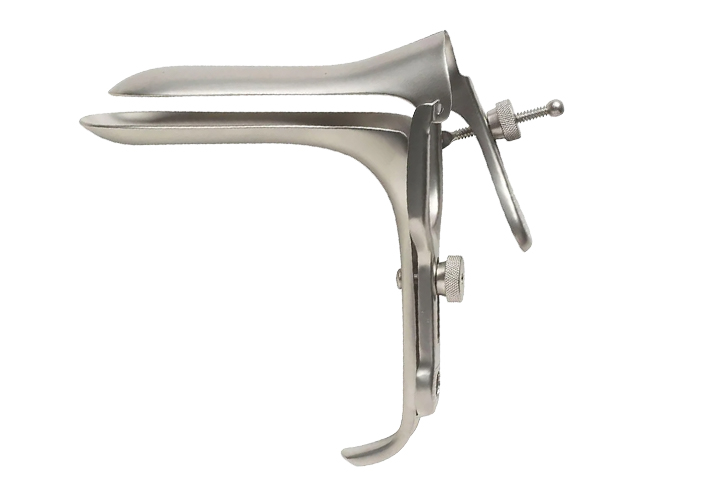
1. Graves Speculum
Wider, curved blades
Suitable for patients who have given birth
Commonly used for Pap smear examinations
2. Pederson Speculum
Narrower, flatter blades
Best for patients with narrow or sensitive vaginal canals, including some virgins or younger patients.
Feature Graves Pederson Blade Width Wide Narrow Suitable For Postpartum patients Narrow anatomy Typical Use Pap smear Sensitive pelvic examinations

3. Sims Speculum
Single-bladed
Often used to lift vaginal wall during surgery.

4. Duckbill Speculum
Curved like a duckbill
Provides access to deeper structures

5. Weighted Speculum
Bottom-weighted for hands-free use during longer pelvic procedures.
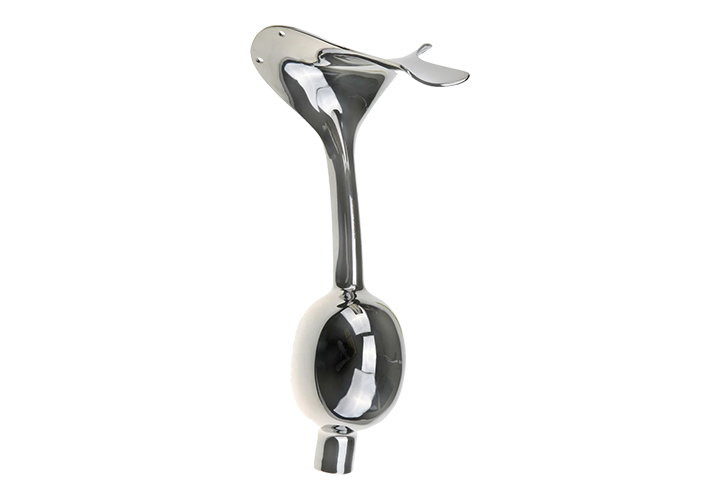
6. Cusco Speculum
The Cusco speculum is used to open the vaginal canal for pelvic exams, Pap smear tests, IUD procedures, and cervical visual inspection.

Plastic vs Stainless Steel Speculum
| Plastic Speculum | Stainless Steel Speculum |
|---|---|
| Disposable | Reusable (autoclavable) |
| Often used in outpatient clinics | Used in hospitals & surgical settings |
| Helps prevent cross-contamination | Requires sterilization but lasts for years |

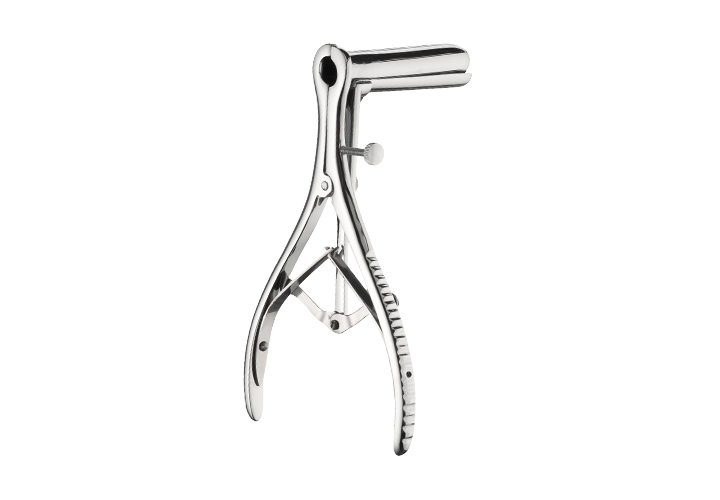
Anal / Rectal Speculum
An anal speculum or rectal speculum is used in proctology to examine the anal canal and lower rectum.
It allows doctors to diagnose:
Hemorrhoids
Anal fissures
Rectal lesions
Polyps
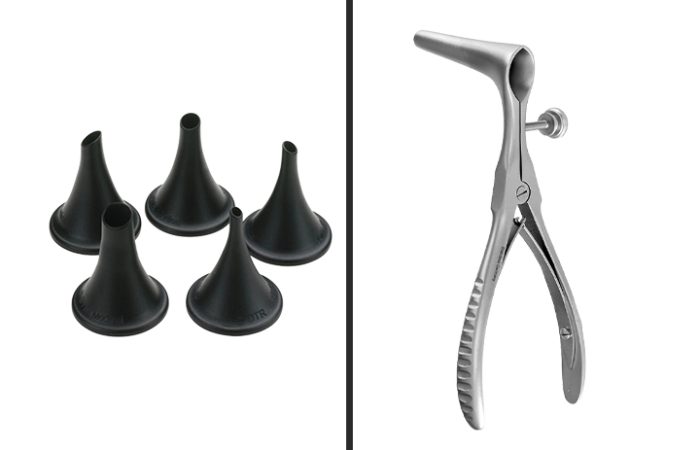
Ear & Nasal Speculum
A nasal speculum widens the nostrils for sinus examinations.
An ear speculum, used with an otoscope, helps visualize the ear canal and eardrum.
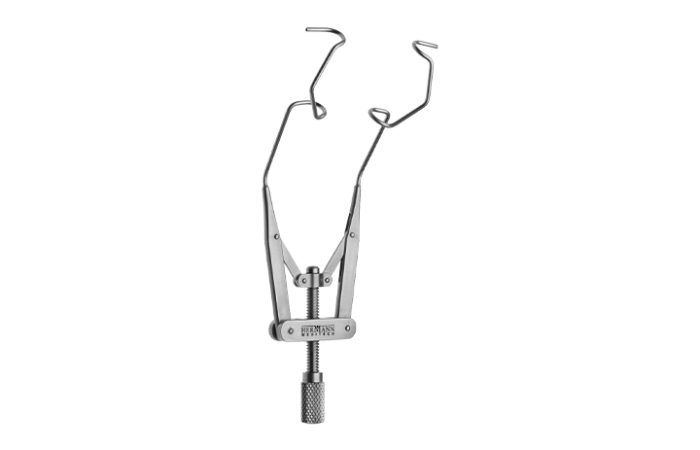
Eye Speculum
An eye speculum gently keeps the eyelids open during ophthalmic examinations or surgeries such as cataract removal.
Speculum Sizes & Size Chart
Speculum sizing ensures comfort and proper visualization.
| Size | Use Case |
|---|---|
| Pediatric / Extra Small | Children & very narrow canals |
| Small | Teen / early exam patients |
| Medium | Most adult women |
| Large | Postpartum or wider anatomy |
Does a Speculum Hurt if You Are a Virgin?
A speculum exam should not be painful, even for virgins.
Doctors typically use:
Smaller / Pederson speculum
Gentle insertion
Lubrication
Slow opening technique
Discomfort is often due to muscle tension, not the instrument.
Speculum Alchemiae (Speculum Alchemiae Prague)
This term refers to a historic alchemy museum in Prague, not a medical instrument. However, it appears frequently in search results because of the shared word “speculum.”
Using a Speculum Safely
Use correct size
Insert slowly and with care
Communicate throughout the exam
Ensure proper sterilization for reusable instruments.
Frequently Asked Questions (FAQ)
Q1. What is a speculum used for?
To gently open a cavity like the vagina, rectum, ear, or nasal passage for examination.
Q2. Does a speculum exam hurt?
Usually no — you may feel pressure, but it should not be painful.
Q3. What speculum is used for Pap smear exams?
The Graves Speculum is standard.
Q4: What is the difference between Graves and Pederson speculum?
Graves is wider and used for adult/post-partum women, while Pederson is narrow and suited for virgins or tight anatomy.
Q5. Which speculum is best for narrow anatomy or virgins?
The Pederson or Pediatric speculum.
Q6. Are plastic speculums safe?
Yes — they are single-use, reducing infection risk.
Q7: Can plastic speculums be reused?
No — they are single-use. Only metal speculums are reusable after sterilization.
Q8: What are speculum sizes?
Small, Medium, and Large — chosen according to anatomy and age.
Manufactured by Hermann Meditech
HERMANN MEDITECH produces a full range of speculums:
Vaginal (Graves, Pederson, Sims, Nella, Duckbill, Weighted)
Rectal & Anal Speculums
Nasal & Ear Speculums
Pediatric & Eye Speculums
All products are:
✅ ISO 13485 Certified
✅ MDR Class I Compliant
✅ UK CA & CE Marked
✅ German Stainless Steel Instruments



I don’t even know how I ended up here, but I thought this post was great.
I do not know who you are but definitely you are going to a famous blogger if you are not
already 😉 Cheers!